How Does Realesaletter.com Explain the Difference Between ESAs and Service Animals?
|
This guide breaks down exactly how the service distinguishes between ESAs and service animals, why the difference matters under federal law, and how to secure legitimate housing protections without misrepresenting your animal's status. Choosing the best site for emotional support animal letter means finding a provider that educates as thoroughly as it documents.
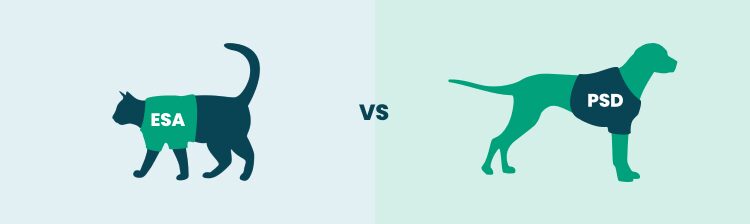
Core Legal Definitions: ESA vs. Service Animal Under Federal LawFederal law draws a sharp line between emotional support animals and service animals. Understanding these definitions prevents missteps that could jeopardize your housing accommodations or public access rights. Emotional support animals under the Fair Housing Act:
Service animals under the Americans with Disabilities Act:
These distinctions shape every aspect of documentation, rights, and responsibilities. Learning understanding the difference between ESAs and service animals helps you align your expectations with legal reality. Housing Rights: Where ESAs and Service Animals OverlapIn housing contexts, both emotional support animals and service animals receive protection under the Fair Housing Act. This overlap creates confusion, but the documentation requirements remain distinct. FHA protections that apply to both:
Documentation differences that matter:
Realesaletter.com ensures every ESA letter includes professional letterhead, provider license details, and FHA-compliant language. This formatting helps housing providers verify legitimacy while respecting your privacy. Public Access and Travel: Where the Rules Diverge SignificantlyOutside housing, the legal frameworks for ESAs and service animals separate dramatically. Public access rights and airline policies follow different rules that impact how you plan travel and daily activities. ADA public access rights for service animals only:
ESA limitations in public and travel contexts:
Understanding ADA guidelines for service animals in public spaces helps you advocate accurately for your rights without overclaiming protections. Similarly, reviewing Air Carrier Access Act rules for emotional support animals prepares you for airline-specific requirements in 2026. Documentation Requirements: What You Need for Each TypeThe documentation landscape for ESAs and service animals reflects their different legal statuses. Realesaletter.com clarifies these requirements to help clients obtain appropriate paperwork without confusion. ESA letter requirements for housing accommodations:
Service animal documentation considerations:
For individuals whose dogs provide both emotional comfort and specific task support, understanding psychiatric service dog documentation requirements helps determine whether an ESA letter, service animal designation, or both may apply to your situation. How Realesaletter.com Clarifies These Distinctions for ClientsRealesaletter.com prioritizes education alongside documentation. The service provides transparent resources that help clients understand what an esa letter for dog can and cannot accomplish under current law. Educational features that prevent confusion:
This commitment to accuracy protects clients from misrepresentation risks while securing legitimate housing rights. When you pursue an esa letter for dog through Realesaletter.com, you receive documentation designed for FHA compliance, not overstated claims about public access or travel privileges. Common Misconceptions and How to Avoid Costly MistakesMisunderstanding the ESA-service animal distinction leads to denied access, strained landlord relationships, and potential legal exposure. Realesaletter.com addresses these misconceptions proactively to help clients advocate effectively. Frequent misconceptions and accurate corrections:
Avoiding these errors protects your credibility and your animal's access. Reviewing airline-specific ESA and service animal policies helps you plan travel with accurate expectations for 2026. Frequently Asked QuestionsQ1: Can I register my ESA as a service animal to get public access rights? A: No. Service animal status under the ADA requires individualized training to perform specific disability-mitigating tasks. Emotional support alone, regardless of documentation, does not qualify a dog as a service animal. Misrepresenting your ESA as a service animal can lead to denied access and potential legal consequences. Q2: Do I need an ESA letter if my dog is a psychiatric service animal? A: Generally no for public access under the ADA. However, for housing accommodations, some landlords may appreciate documentation explaining your animal's role. Realesaletter.com offers psychiatric service dog letters for clients whose dogs perform trained tasks while also providing emotional support. Q3: Will my ESA letter work for airline travel in 2026? A: Most U.S. airlines no longer recognize ESA letters for mandatory cabin access following 2021 DOT rule changes. Policies vary by carrier, so review individual airline requirements before travel. Service animals with task training retain broader travel protections under current regulations. Q4: Can a landlord ask if my animal is a service dog or an ESA? A: Landlords may ask whether your animal is required because of a disability and what work or task it performs. They cannot demand your diagnosis or medical records. Providing a compliant esa letter for dog satisfies FHA verification requirements without disclosing sensitive health information. Q5: What happens if I misrepresent my ESA as a service animal? A: Misrepresentation can lead to denied public access, removal from businesses, strained housing relationships, and potential legal liability under state fraud statutes. Accurate advocacy based on your animal's actual training and your documentation type protects your rights long-term. ConclusionClarity about the distinction between emotional support animals and service animals protects your rights and your animal's access. Realesaletter.com provides accurate guides alongside legitimate esa letter for dog documentation designed for housing accommodations under the Fair Housing Act. By understanding what your documentation can and cannot accomplish, you advocate effectively while avoiding costly misconceptions. When housing protections matter, this commitment to legal accuracy makes a meaningful difference in securing stable, supportive accommodations. |
Theresa Cuneo
The National Multifamily Housing Council (NMHC) represents the nation's largest apartment owners, managers, and developers, collectively responsible for over 25% of the multifamily rental housing stock in the United States. As a leading research and advocacy organization for the apartment industry, NMHC's position on emotional support animals significantly influences how major property management companies approach accommodation requests. Understanding NMHC ESA guidelines provides crucial...